

Introduction: Our Invisible Companions
In the modern world, we live enmeshed within a network of screens, code, and invisible signals—an environment where the line between the digital and physical realms blurs more each day. The quiet yet commanding forces behind this reality are the web and the countless apps that rest within our pockets, watches, cars, and homes. Together, they form the spine of our daily existence, enabling commerce, conversation, creativity, and countless tiny conveniences we now take for granted.
A Tale of Two Mediums
To understand the magic of this pairing, one must first see how each came to be. The web, once a tangle of static pages, emerged as the world’s grand library. In the early days of the internet, websites were rudimentary yet groundbreaking, portals to information that could be accessed from anywhere with an internet connection. Apps, on the other hand, are a younger creation. Born alongside the smartphone boom, they took what the web offered and distilled it into bite-sized, specialized experiences—faster, smoother, and often more personal.
How They Differ—and Why It Matters
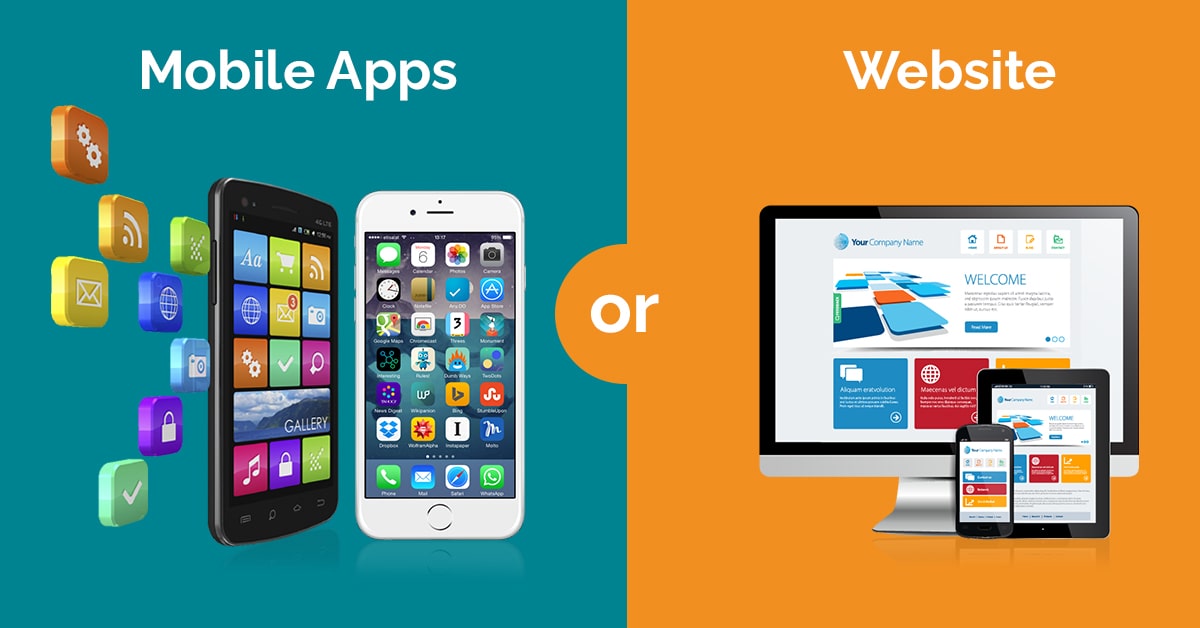
Though both deliver content and services, they do so with unique philosophies and architectures.
-
Websites are open, universal, and accessible through browsers. They thrive on discoverability—anyone with a link can arrive at a page within seconds.
-
Apps are purpose-built programs that live directly on devices. They tap into hardware capabilities—location services, cameras, motion sensors—unlocking interactions impossible for websites alone.
This difference is crucial for businesses and users alike. Should a company focus on a robust, far-reaching web presence, or invest in a custom app that deepens engagement? Increasingly, the answer is: both.
The Mobile Revolution and Its Ripple Effect
When Apple’s App Store launched in 2008, it changed the rules overnight. Suddenly, software distribution was democratized. Developers large and small could create tools that lived in the palm of a user’s hand. Combined with the explosive growth of smartphones, apps rapidly became our preferred gateway to services once reserved for desktop browsers.
Today, mobile accounts for more than half of global internet traffic. Messaging, banking, shopping, reading the news—all these activities happen as much, if not more, within apps than on traditional websites. Yet the web has not faded into obsolescence. Instead, it has adapted. Responsive design, mobile-first layouts, and Progressive Web Apps (PWAs) have given the web new life, mimicking the speed and interactivity of native apps while maintaining their universal reach.
Where Apps Shine
Certain use cases reveal why apps endure and excel:
-
Personalization: Apps remember user preferences, histories, and habits. This allows for hyper-targeted recommendations and adaptive interfaces.
-
Offline Functionality: Many apps operate without a constant internet connection, storing data locally for uninterrupted use.
-
Hardware Integration: GPS, fingerprint sensors, Bluetooth—apps harness these tools to deliver seamless, context-aware services.
-
Push Notifications: An invaluable marketing tool, notifications keep users engaged and informed in real-time.
These features combine to create an ecosystem where convenience is king and friction is enemy number one.
The Web’s Unrivaled Strengths
Despite the power of apps, the web holds ground no other medium can claim:
-
Universal Access: A website needs no installation, no storage space, no permissions—just a click.
-
Search Visibility: Billions of queries a day drive organic traffic. Good SEO remains a cornerstone of digital strategy.
-
Cross-Platform Consistency: A single web presence works across devices, operating systems, and screen sizes.
-
Cost Efficiency: Maintaining one website often costs less than developing and updating multiple native apps for different platforms.
In this light, the web’s continued relevance is not just logical but essential.
Blurring the Lines: The Rise of Hybrid Experiences
Recognizing that both mediums bring unique strengths, innovators have sought to combine them. The result is the Progressive Web App. A PWA looks and feels like a native app, complete with offline capability, home screen icons, and push notifications—yet runs through a standard browser. Brands like Twitter, Starbucks, and Forbes have embraced this model to extend the reach of their services while delivering a premium app-like feel.
Crafting a Cohesive Digital Experience
For businesses, the real challenge is not choosing between an app or a website but designing a digital presence where both complement one another. Consider these strategies:
-
Attract with the Web, Retain with the App: Use the web’s discoverability to pull in new users, then convert loyal customers to your app for a richer, more personal experience.
-
Consistent Branding: Ensure a unified design language across platforms—colors, typography, and voice should feel seamless, whether on a mobile app or a desktop site.
-
Cross-Device Fluidity: Users expect to start reading an article on their laptop and finish it on their phone without losing their place. Synchronization is no longer a luxury—it’s a necessity.
Emerging Trends Shaping the Future
As technology evolves, so too will the delicate dance between apps and the web. Several trends hint at what lies ahead:
-
Voice Interfaces: Smart speakers and virtual assistants are changing how we interact with digital services—whether app or web-based.
-
Wearable Integration: Apps now extend beyond phones to watches and fitness bands, creating new touchpoints for user interaction.
-
Privacy by Design: With growing concerns over data security, transparent practices and user control are becoming central to trust.
-
AI-Powered Personalization: Machine learning is making both apps and websites smarter, anticipating needs and offering tailored content in real time.
Conclusion: A Digital Harmony
When all is said and done, apps and the web are not rivals but partners in a shared mission—to deliver information, delight, and utility to users wherever they are. Their dynamic interplay ensures that we, the users, move through a world where the right tool is always at hand, whether it appears as an app icon glowing on a smartphone screen or a web page loading in a single tap.
In this endless digital symphony, the web sets the stage, and apps provide the solos—distinct yet perfectly in tune. Together, they remind us that the future is not about choosing sides but embracing the harmony that happens when we let both flourish, side by side, in service of a more connected world.


