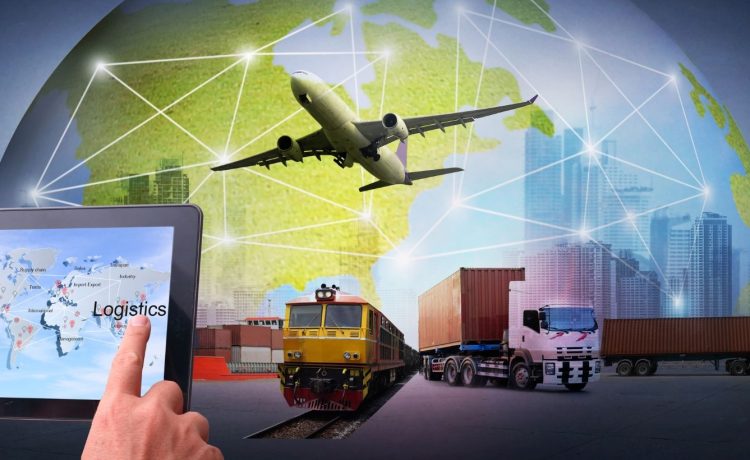
Technology is improving rapidly, which is why we are seeing so many industries utilise it in as many ways as possible. It’s proven to boost efficiency and increase result quality, as there’s now so many new technologies being released on a regular basis. There’s been numerous industries that have benefitted from this, with logistics becoming much more streamlined when it comes to transport training for all workforces.
In this guide, we will look into the technology that has given logistics a boost when it comes to appropriate transport training from companies like Lifft Group, especially when it comes to the popular bus driver training. Continue reading to learn more.
Transport Training Technologies
eLearning
You can find professional e-learning courses for the transport and logistics sector, which offers online training for drivers, managers and office staff. This can give workers quicker inductions and helps them to remain compliant with appropriate HGV training and other modes of transport. You can find e-learning courses that specialise in smaller modules for shift-based logistics workers, so it can be done even quicker while staying compliant.
Driving Simulators
Virtual reality and high-definition driving simulators let operators practice hazard perception, eco-driving and emergency maneuvers without fuel costs or road risks. While these won’t give a 100% accurate representation of driving, it can get trainees used to all the essentials before they actually take to the road. This means that they can have a more efficient training course, helping them to get road-ready within just a few days.
Telematics-Linked Coaching
Integrated telematics systems capture harsh braking, idling or speeding data, automatically feeding performance metrics into driver-training programs for targeted coaching. This means that all the pedantic parts of the training can be fast forwarded, allowing trainees to get to the main part of driving the vehicles faster.
Fleet Management Software
Interactive digital walkthroughs and sandbox environments train staff on route optimisation tools, digital consignment notes and automated material handling equipment (MHE). Forklifts are a very important part of fleet management, so having this type of software will vastly improve how trainees can maneuver around the warehouse environment. It can also help with driving HGVs for exact routes, so trainees can get used to the fastest ways of getting from point A to point B.
Digital Twins
It’s not just frontline workers that will benefit from all of this, as logistics planners can use digital twins to prepare for any disruptions in logistics transport. Software platforms can build a virtual replica of a company’s entire supply chain network, helping everyone stay on top of what’s happening. Managers can use simulators to practice responding to sudden border closures, helping those who have recently passed transport training to get all the updated routes. This trains them in agile decision-making without risking real-world cargo.
Final Thoughts
All of these technologies have helped to streamline logistics, giving workers a quicker and more efficient way of getting road-ready for driving buses, HGVs and ADRs. This helps to improve operations and enhance safety for the entire workforce.