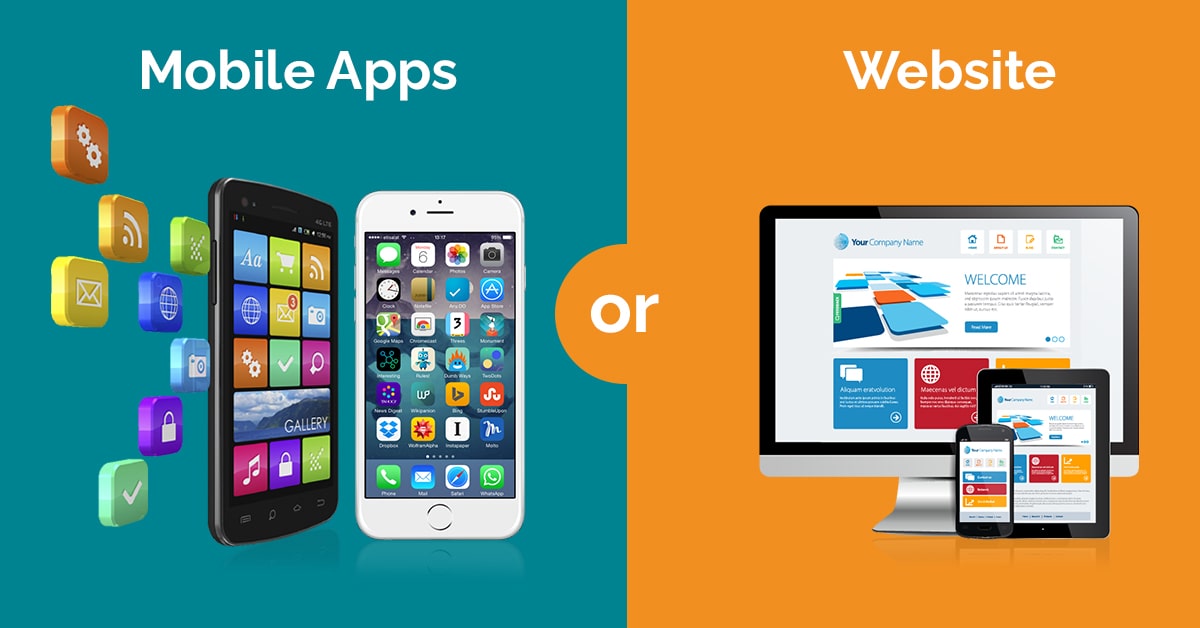
In the ever-evolving world of technology, the relationship between apps and the web has transformed dramatically over the last decade. What began as two distinct realms—websites accessible via browsers and mobile applications downloaded on devices—has now morphed into an intricate ecosystem where each continuously influences and enhances the other. This interdependence shapes how we interact with digital content, conduct business, and access information. Understanding this dynamic is essential for professionals, enthusiasts, and everyday users alike who seek to navigate and leverage the digital space effectively.
The Origins and Divergence of Apps and the Web
Initially, the web was the dominant platform for accessing information and services. Websites, built with HTML, CSS, and JavaScript, provided users with broad access to content from any device with an internet connection. However, as mobile technology advanced, the demand for more tailored, faster, and offline-capable experiences grew, leading to the rise of mobile applications.
Apps offered distinct advantages:
-
Performance: Native apps, built specifically for iOS or Android, could harness device hardware more efficiently.
-
User Experience: They allowed for more refined, responsive interfaces.
-
Offline Access: Apps could operate without continuous internet connectivity, providing functionality beyond what was possible through the web.
Yet, this divergence also created fragmentation—users had to download different apps, manage updates, and deal with compatibility issues, while developers faced the challenge of maintaining multiple codebases.
The Convergence: Progressive Web Apps and Beyond
The past several years have witnessed a remarkable convergence of apps and the web, largely driven by the advent of Progressive Web Apps (PWAs). PWAs are web applications that offer app-like experiences within browsers, combining the accessibility of websites with the performance and capabilities of native apps.
Key features of PWAs include:
-
Offline functionality through service workers.
-
Push notifications that keep users engaged.
-
Home screen installation without going through app stores.
-
Responsive design that adapts seamlessly to any screen size.
By bridging the gap between apps and the web, PWAs have addressed many pain points of traditional apps while retaining the inherent advantages of the web.
Why the Distinction Still Matters
Despite this blending, the distinction between apps and the web remains relevant for several reasons:
-
Platform Capabilities: Native apps have deeper access to device-specific hardware like advanced cameras, sensors, and biometric authentication.
-
Distribution Channels: Apps are curated and distributed via app stores, which offer a layer of trust and monetization options.
-
User Engagement: Apps often have higher engagement rates because they reside permanently on a user’s device.
On the other hand, the web continues to shine in terms of:
-
Discoverability: Websites can be found instantly via search engines, whereas apps require downloads.
-
Cross-platform Reach: A single web application can serve desktops, tablets, and phones alike.
-
Lower Barriers: Users do not have to commit storage space or time to download apps.
The Role of Hybrid and Cross-Platform Technologies
To reduce development overhead and harness the strengths of both apps and the web, hybrid and cross-platform frameworks have emerged. Tools like React Native, Flutter, and Ionic allow developers to write a single codebase that compiles into native apps for multiple platforms, while also supporting web deployment.
Benefits of these approaches include:
-
Faster time to market due to code reuse.
-
Consistency in user experience across devices.
-
Cost efficiency by reducing the need for specialized platform teams.
These frameworks represent a middle ground that helps businesses and developers maximize reach without compromising on quality.
Implications for Businesses and Users
The evolving interplay of apps and the web carries significant implications:
For Businesses
-
Customer Reach: Leveraging both platforms ensures businesses capture audiences whether they prefer quick web access or immersive app experiences.
-
Data Insights: Apps often provide richer analytics on user behavior, enabling more tailored marketing.
-
Monetization Models: Native apps facilitate in-app purchases and subscriptions, while web platforms can capitalize on ad revenue and e-commerce sales.
For Users
-
Choice: Users benefit from flexibility, choosing between instant web access and dedicated apps depending on their needs.
-
Seamless Experience: Cross-platform continuity means users can start an activity on one device and continue on another without disruption.
-
Privacy and Security: Apps and web platforms increasingly adopt stringent measures to protect personal data, though the app ecosystem often enforces tighter controls.
The Future: Toward a Unified Digital Experience
Looking ahead, the boundaries between apps and the web will continue to blur. Emerging technologies such as WebAssembly allow web apps to run near-native speeds, while advancements in 5G and edge computing promise richer, real-time interactivity across platforms.
Moreover, innovations like voice interfaces, augmented reality (AR), and artificial intelligence (AI) will be integrated into both apps and web experiences, making digital interactions more intuitive and immersive.
We might eventually see a fully unified digital ecosystem where the concept of “app” versus “web” is irrelevant—users will simply engage with content and services in the most natural and convenient way, regardless of the underlying technology.
Conclusion
The journey of apps and the web—from separate entities to intertwined facets of our digital lives—reflects broader trends in technology, user behavior, and business strategy. Each has strengths that complement the other, creating a richer, more accessible digital environment. Understanding this symbiotic evolution allows us to appreciate the nuances of the tools we use daily and anticipate the innovations that will continue to shape the future of digital interaction.
Whether you are a developer, entrepreneur, or everyday user, staying informed about the interplay between apps and the web equips you to make smarter choices in a rapidly shifting landscape, ensuring that technology serves not just functionality, but also seamless human connection and experience.