Introduction: The Ubiquitous Duo
In the age of hyper-connectivity, few technological pairings have influenced human behavior more profoundly than apps and the web. From dawn till dusk, our fingers dance across screens, seamlessly transitioning between native applications and web-based experiences. This constant interplay has not only reshaped how we work, socialize, and entertain ourselves but has also spawned new industries, redefined old paradigms, and blurred the lines between the physical and digital worlds.
A Brief Historical Context
Before apps became household staples, the web was the original gateway to the digital universe. In the 1990s, static HTML pages ruled the online realm. Users accessed information through bulky desktop computers, often tied to a dial-up modem’s screech. Fast forward to 2008, the launch of Apple’s App Store heralded a new chapter—one that would decentralize software distribution and invite an army of developers to craft tools for every conceivable purpose. Mobile apps revolutionized convenience, bringing personalized, device-optimized experiences directly to our pockets.
Understanding the Core Distinction
Though they often feel interchangeable in our daily lives, apps and the web serve distinct yet complementary roles:
-
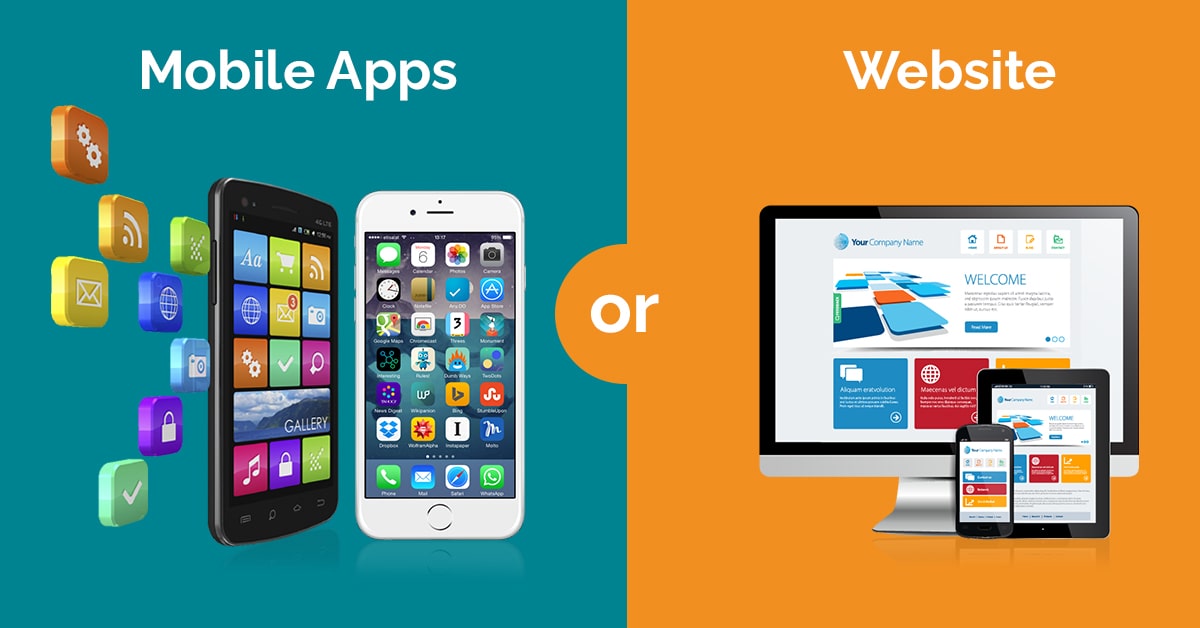
Web: An open, universally accessible platform requiring only a browser and an internet connection. Websites are versatile, easily updated, and platform-agnostic.
-
Apps: Native or hybrid software installed on devices, often leveraging hardware capabilities (camera, GPS, sensors) and offering offline functionality.
This fundamental difference shapes how businesses strategize their digital presence and how users interact with brands.
The Mobile-First Mindset
One can hardly discuss apps without acknowledging the meteoric rise of smartphones. A staggering proportion of online traffic today originates from mobile devices, driving a ‘mobile-first’ design philosophy. Companies no longer treat mobile as an add-on; it is now the primary touchpoint for customer engagement.
Applications excel here by providing tailored, responsive experiences. Push notifications, biometric security, and native integrations create frictionless interactions that websites alone struggle to replicate. However, the web is evolving too. Progressive Web Apps (PWAs) now bridge the gap, offering app-like features—offline access, background sync, and home-screen shortcuts—while retaining the universal reach of the web.
Why Both Still Matter
Despite the allure of apps, the web remains indispensable. Consider the following advantages:
-
Discoverability: Search engines remain the primary gateway for new users. A robust web presence ensures visibility.
-
Low Friction: No downloads or storage constraints; a simple URL suffices.
-
Universal Compatibility: Works across operating systems and device types.
Meanwhile, apps thrive when deep personalization, frequent engagement, and device-level integrations are paramount. Banking, fitness tracking, ride-hailing—these services flourish through dedicated apps.
Impact on Businesses and Brands
For companies, the decision between investing in an app, a website, or both hinges on audience behavior and business goals. A sleek e-commerce app may drive repeat purchases through personalized offers and stored payment methods. Yet, an informative, SEO-optimized website is vital for attracting new customers researching a brand or product.
In an ideal scenario, the synergy of both yields the best results. For instance:
-
E-commerce: Websites attract new visitors via search and ads, while apps nurture loyalty through push notifications and streamlined checkouts.
-
Media & Content: Publishers use websites for broad reach, complemented by apps for immersive, subscription-driven experiences.
-
Travel & Hospitality: Users may browse flights or hotels on the web but rely on apps for boarding passes, real-time alerts, and loyalty rewards.
The User Perspective: Convenience Reigns Supreme
At the heart of this ecosystem sits the user—whose expectations grow higher by the day. Modern consumers demand:
-
Lightning-fast load times
-
Intuitive, consistent interfaces
-
Cross-device synchronization
-
Data privacy and security
Meeting these expectations requires thoughtful design and robust backend infrastructure. A beautifully crafted app is of little value if it guzzles battery or crashes frequently. Likewise, a website must be mobile-responsive and accessible to users of all abilities.
Emerging Trends: The Road Ahead
The future of apps and the web will likely be shaped by several emerging trends:
-
Artificial Intelligence & Personalization: AI-driven recommendations, chatbots, and adaptive interfaces are transforming static sites and apps into dynamic, responsive companions.
-
Voice & Gesture Controls: The rise of smart speakers and gesture-based navigation introduces new ways for users to interact without a screen.
-
Privacy & Data Ethics: As digital footprints expand, so too does scrutiny of how apps and websites handle personal data. Transparent policies and ethical design will be differentiators.
-
Cross-Platform Frameworks: Tools like Flutter and React Native enable developers to build apps that function smoothly across iOS, Android, and even the web—streamlining development and enhancing consistency.
Striking a Harmonious Balance
It is tempting to view apps and the web as competitors vying for our attention. Yet their coexistence is more symbiotic than adversarial. A compelling web presence can feed an app’s user base, while a thoughtfully designed app can convert casual browsers into loyal advocates.
For businesses and developers alike, the goal should not be to choose one over the other but to orchestrate a seamless, unified experience across both. From first click to daily tap, every touchpoint should feel like part of a coherent whole.
Conclusion: A Digital Tapestry Unfolding
In the grand narrative of technology, apps and the web are threads interwoven so tightly that pulling one inevitably unravels the other. Together, they embody the boundless potential of human ingenuity—transforming how we connect, create, and communicate. As we stand on the cusp of new breakthroughs, from augmented reality to ambient computing, one truth remains clear: the real magic happens not in the screen itself but in the harmony of these tools, invisibly enriching our lives, one interaction at a time.